
- HOME
- US & NEWS
- PRODUCTS
- Water treatment machinery
- Auxiliary Equipment
- Sea water to pure water
- Household RO filter
- Normal (tap/well/river/lake) water to pure drinking water
- 1000 liters per hour RO/water treatment/purification system
- 2000 liters per hour RO/water treatment/purification system
- 3000 liters per hour RO/water treatment/purification system
- 5000 liters per hour RO/water treatment/purification system
- 8000 liters per hour RO/water treatment/purification system
- 10000 liters per hour RO/water treatment/purification system
- Distillery euipments, to make Whiskey and fruit wine
- Bottle blow molding machinery
- 1 cavity, semi auto Wide-neck PET cans/cup/bottle blow molding machine
- Full auto bottle blow molding machinery
- 2 cavity semi-auto blow molding machine, 200ml to 2000ml
- 5gallon/19.8L bottle/barrel blow molding machine
- PC bottle blow moulding machine
- 5gallon PET water bottle full auto blow moulding machine
- Full automatic bottle blow molding machinery
- 4 cavity semi auto bottle blow molding machinery
- 5 liter, 1 cavity semi-auto blow molding machine, 200ml to 5000ml
- 2+2 cavity semi-auto blow molding machine, 200ml to 2000ml
- Full automatic blow molding machine for 5 liter PET water bottles
- 2 cavity semi-auto blow molding machine, 4/5/6/7 liter
- 1 cavity, full auto Wide-neck PET cans/cup/bottle blow molding machine
- 2 cavity, full auto Wide-neck PET cans/cup/bottle blow molding machine
- PET plastic wine bottles blow molding machine
- 0.2-5 liter, HDPE bottles molding machine
- Washing, filling& capping machinery
- 100-2000ml bottles washing, filling capping machinery(3-in-1)
- 5gallon/18.9-liter, 100BPH washer filler capper machine
- 4 nozzles filler machine for small water bottles
- 5gallon/18.9-liter, 200BPH washer filler capper machine
- 5gallon/18.9-liter, 300BPH washer filler capper machine
- 5gallon/18.9-liter, 400BPH washer filler capper machine
- 5gallon/18.9-liter, 600BPH washer filler capper machine
- 5gallon/18.9-liter, 900BPH washer filler capper machine
- Wine bottle filling machine, wine filler
- 5-liter water bottle washer, filler, capper machine
- Capping/sealing machine for aluminum caps, full automatic model
- Capping/sealing machine for aluminum caps, semi automatic model
- 100-2000ml bottles washing, filling capping machinery(Linear model)
- 3-11L bottle washing filling capping machinery
- 5-liter water bottle washing filling capping machine (3-in-1 model)
- Semi-automatic bottling line for 18.9-liter bottles
- 3-5gallon bottle washing filling capping machinery
- De-capper machine
- Bottles in&external brush wash machine
- Auto bottle loading system
- Light check system
- Empty bottles and full bottled conveyor systems
- Neck label shrink machine
- Pre washer for 5 gallon water bottles
- Bottle labeling machinery
- Single side labeling machine for adhesive sticker labels
- Flexographic printing machine, adhesive stickers printing machine
- Wine bottle labeling machine, front label and back label
- Double sides labeling machine for adhesive sticker labels
- Flexographic printing machine, adhesive stickers printing machine
- Wowen/non-wowen bags, flour bags printing machine, Maize miller bags
- Hot glue labeling machine
- Single nozzle sleeve labeling machine
- Double nozzle sleeve labeling machine
- Bottle coding system
- Bottle packing systems
- Semi auto shrinkable PE film packing machine
- Liquid packing machine
- "L" model shrinkable PE film packing machine
- Full automatic carton packing machine
- Linear model shrinkable PE film packing machine
- Semi automatic carton packing machine
- Linear model shrinkable PE film packing machine, double tunnels model
- Paper cups molding machine
- Injection molding machine
- Turnkey bottling plants solutions
- Lighting Equipments
- AUTOMOTIVE REPLACEMENTS AND ACCESSORIES
- Consumables and accessories
- 55mm neck PET preforms
- 28/30mm neck PET preforms
- 55 mm neck caps
- 28/30mm neck caps
- PE plastic film
- OPP labels
- PVC shrinkable labels
- Adhesive stickers labels
- Bottle blow mold
- UHT treatment
- Steam generator
- Preforms injection mold
- Shrink tunnel
- Air compressors and air tank
- Water chiller
- PP caps slitter machine
- Air cold dryer
- Bottle caps loading system
- Bottle air blow dryer
- RO (reverse osmosis ) membrane
- Water dispenser
- Sourcing Service
- Water treatment machinery
- TECH & INFO
- CONTACT US
- VIDEOS STUDIO

- HOME
- US & NEWS
- PRODUCTS
- Water treatment machinery
- Auxiliary Equipment
- Sea water to pure water
- Household RO filter
- Normal (tap/well/river/lake) water to pure drinking water
- 1000 liters per hour RO/water treatment/purification system
- 2000 liters per hour RO/water treatment/purification system
- 3000 liters per hour RO/water treatment/purification system
- 5000 liters per hour RO/water treatment/purification system
- 8000 liters per hour RO/water treatment/purification system
- 10000 liters per hour RO/water treatment/purification system
- Distillery euipments, to make Whiskey and fruit wine
- Bottle blow molding machinery
- 1 cavity, semi auto Wide-neck PET cans/cup/bottle blow molding machine
- Full auto bottle blow molding machinery
- 2 cavity semi-auto blow molding machine, 200ml to 2000ml
- 5gallon/19.8L bottle/barrel blow molding machine
- PC bottle blow moulding machine
- 5gallon PET water bottle full auto blow moulding machine
- Full automatic bottle blow molding machinery
- 4 cavity semi auto bottle blow molding machinery
- 5 liter, 1 cavity semi-auto blow molding machine, 200ml to 5000ml
- 2+2 cavity semi-auto blow molding machine, 200ml to 2000ml
- Full automatic blow molding machine for 5 liter PET water bottles
- 2 cavity semi-auto blow molding machine, 4/5/6/7 liter
- 1 cavity, full auto Wide-neck PET cans/cup/bottle blow molding machine
- 2 cavity, full auto Wide-neck PET cans/cup/bottle blow molding machine
- PET plastic wine bottles blow molding machine
- 0.2-5 liter, HDPE bottles molding machine
- Washing, filling& capping machinery
- 100-2000ml bottles washing, filling capping machinery(3-in-1)
- 5gallon/18.9-liter, 100BPH washer filler capper machine
- 4 nozzles filler machine for small water bottles
- 5gallon/18.9-liter, 200BPH washer filler capper machine
- 5gallon/18.9-liter, 300BPH washer filler capper machine
- 5gallon/18.9-liter, 400BPH washer filler capper machine
- 5gallon/18.9-liter, 600BPH washer filler capper machine
- 5gallon/18.9-liter, 900BPH washer filler capper machine
- Wine bottle filling machine, wine filler
- 5-liter water bottle washer, filler, capper machine
- Capping/sealing machine for aluminum caps, full automatic model
- Capping/sealing machine for aluminum caps, semi automatic model
- 100-2000ml bottles washing, filling capping machinery(Linear model)
- 3-11L bottle washing filling capping machinery
- 5-liter water bottle washing filling capping machine (3-in-1 model)
- Semi-automatic bottling line for 18.9-liter bottles
- 3-5gallon bottle washing filling capping machinery
- De-capper machine
- Bottles in&external brush wash machine
- Auto bottle loading system
- Light check system
- Empty bottles and full bottled conveyor systems
- Neck label shrink machine
- Pre washer for 5 gallon water bottles
- Bottle labeling machinery
- Single side labeling machine for adhesive sticker labels
- Flexographic printing machine, adhesive stickers printing machine
- Wine bottle labeling machine, front label and back label
- Double sides labeling machine for adhesive sticker labels
- Flexographic printing machine, adhesive stickers printing machine
- Wowen/non-wowen bags, flour bags printing machine, Maize miller bags
- Hot glue labeling machine
- Single nozzle sleeve labeling machine
- Double nozzle sleeve labeling machine
- Bottle coding system
- Bottle packing systems
- Semi auto shrinkable PE film packing machine
- Liquid packing machine
- "L" model shrinkable PE film packing machine
- Full automatic carton packing machine
- Linear model shrinkable PE film packing machine
- Semi automatic carton packing machine
- Linear model shrinkable PE film packing machine, double tunnels model
- Paper cups molding machine
- Injection molding machine
- Turnkey bottling plants solutions
- Lighting Equipments
- AUTOMOTIVE REPLACEMENTS AND ACCESSORIES
- Consumables and accessories
- 55mm neck PET preforms
- 28/30mm neck PET preforms
- 55 mm neck caps
- 28/30mm neck caps
- PE plastic film
- OPP labels
- PVC shrinkable labels
- Adhesive stickers labels
- Bottle blow mold
- UHT treatment
- Steam generator
- Preforms injection mold
- Shrink tunnel
- Air compressors and air tank
- Water chiller
- PP caps slitter machine
- Air cold dryer
- Bottle caps loading system
- Bottle air blow dryer
- RO (reverse osmosis ) membrane
- Water dispenser
- Sourcing Service
- Water treatment machinery
- TECH & INFO
- CONTACT US
- VIDEOS STUDIO

- HOME
- US & NEWS
- PRODUCTS
- Water treatment machinery
- Auxiliary Equipment
- Sea water to pure water
- Household RO filter
- Normal (tap/well/river/lake) water to pure drinking water
- 1000 liters per hour RO/water treatment/purification system
- 2000 liters per hour RO/water treatment/purification system
- 3000 liters per hour RO/water treatment/purification system
- 5000 liters per hour RO/water treatment/purification system
- 8000 liters per hour RO/water treatment/purification system
- 10000 liters per hour RO/water treatment/purification system
- Distillery euipments, to make Whiskey and fruit wine
- Bottle blow molding machinery
- 1 cavity, semi auto Wide-neck PET cans/cup/bottle blow molding machine
- Full auto bottle blow molding machinery
- 2 cavity semi-auto blow molding machine, 200ml to 2000ml
- 5gallon/19.8L bottle/barrel blow molding machine
- PC bottle blow moulding machine
- 5gallon PET water bottle full auto blow moulding machine
- Full automatic bottle blow molding machinery
- 4 cavity semi auto bottle blow molding machinery
- 5 liter, 1 cavity semi-auto blow molding machine, 200ml to 5000ml
- 2+2 cavity semi-auto blow molding machine, 200ml to 2000ml
- Full automatic blow molding machine for 5 liter PET water bottles
- 2 cavity semi-auto blow molding machine, 4/5/6/7 liter
- 1 cavity, full auto Wide-neck PET cans/cup/bottle blow molding machine
- 2 cavity, full auto Wide-neck PET cans/cup/bottle blow molding machine
- PET plastic wine bottles blow molding machine
- 0.2-5 liter, HDPE bottles molding machine
- Washing, filling& capping machinery
- 100-2000ml bottles washing, filling capping machinery(3-in-1)
- 5gallon/18.9-liter, 100BPH washer filler capper machine
- 4 nozzles filler machine for small water bottles
- 5gallon/18.9-liter, 200BPH washer filler capper machine
- 5gallon/18.9-liter, 300BPH washer filler capper machine
- 5gallon/18.9-liter, 400BPH washer filler capper machine
- 5gallon/18.9-liter, 600BPH washer filler capper machine
- 5gallon/18.9-liter, 900BPH washer filler capper machine
- Wine bottle filling machine, wine filler
- 5-liter water bottle washer, filler, capper machine
- Capping/sealing machine for aluminum caps, full automatic model
- Capping/sealing machine for aluminum caps, semi automatic model
- 100-2000ml bottles washing, filling capping machinery(Linear model)
- 3-11L bottle washing filling capping machinery
- 5-liter water bottle washing filling capping machine (3-in-1 model)
- Semi-automatic bottling line for 18.9-liter bottles
- 3-5gallon bottle washing filling capping machinery
- De-capper machine
- Bottles in&external brush wash machine
- Auto bottle loading system
- Light check system
- Empty bottles and full bottled conveyor systems
- Neck label shrink machine
- Pre washer for 5 gallon water bottles
- Bottle labeling machinery
- Single side labeling machine for adhesive sticker labels
- Flexographic printing machine, adhesive stickers printing machine
- Wine bottle labeling machine, front label and back label
- Double sides labeling machine for adhesive sticker labels
- Flexographic printing machine, adhesive stickers printing machine
- Wowen/non-wowen bags, flour bags printing machine, Maize miller bags
- Hot glue labeling machine
- Single nozzle sleeve labeling machine
- Double nozzle sleeve labeling machine
- Bottle coding system
- Bottle packing systems
- Semi auto shrinkable PE film packing machine
- Liquid packing machine
- "L" model shrinkable PE film packing machine
- Full automatic carton packing machine
- Linear model shrinkable PE film packing machine
- Semi automatic carton packing machine
- Linear model shrinkable PE film packing machine, double tunnels model
- Paper cups molding machine
- Injection molding machine
- Turnkey bottling plants solutions
- Lighting Equipments
- AUTOMOTIVE REPLACEMENTS AND ACCESSORIES
- Consumables and accessories
- 55mm neck PET preforms
- 28/30mm neck PET preforms
- 55 mm neck caps
- 28/30mm neck caps
- PE plastic film
- OPP labels
- PVC shrinkable labels
- Adhesive stickers labels
- Bottle blow mold
- UHT treatment
- Steam generator
- Preforms injection mold
- Shrink tunnel
- Air compressors and air tank
- Water chiller
- PP caps slitter machine
- Air cold dryer
- Bottle caps loading system
- Bottle air blow dryer
- RO (reverse osmosis ) membrane
- Water dispenser
- Sourcing Service
- Water treatment machinery
- TECH & INFO
- CONTACT US
- VIDEOS STUDIO

_h7b5_meitu_1.jpg)
- HOME
- US & NEWS
- PRODUCTS
- Water treatment machinery
- Auxiliary Equipment
- Sea water to pure water
- Household RO filter
- Normal (tap/well/river/lake) water to pure drinking water
- 1000 liters per hour RO/water treatment/purification system
- 2000 liters per hour RO/water treatment/purification system
- 3000 liters per hour RO/water treatment/purification system
- 5000 liters per hour RO/water treatment/purification system
- 8000 liters per hour RO/water treatment/purification system
- 10000 liters per hour RO/water treatment/purification system
- Distillery euipments, to make Whiskey and fruit wine
- Bottle blow molding machinery
- 1 cavity, semi auto Wide-neck PET cans/cup/bottle blow molding machine
- Full auto bottle blow molding machinery
- 2 cavity semi-auto blow molding machine, 200ml to 2000ml
- 5gallon/19.8L bottle/barrel blow molding machine
- PC bottle blow moulding machine
- 5gallon PET water bottle full auto blow moulding machine
- Full automatic bottle blow molding machinery
- 4 cavity semi auto bottle blow molding machinery
- 5 liter, 1 cavity semi-auto blow molding machine, 200ml to 5000ml
- 2+2 cavity semi-auto blow molding machine, 200ml to 2000ml
- Full automatic blow molding machine for 5 liter PET water bottles
- 2 cavity semi-auto blow molding machine, 4/5/6/7 liter
- 1 cavity, full auto Wide-neck PET cans/cup/bottle blow molding machine
- 2 cavity, full auto Wide-neck PET cans/cup/bottle blow molding machine
- PET plastic wine bottles blow molding machine
- 0.2-5 liter, HDPE bottles molding machine
- Washing, filling& capping machinery
- 100-2000ml bottles washing, filling capping machinery(3-in-1)
- 5gallon/18.9-liter, 100BPH washer filler capper machine
- 4 nozzles filler machine for small water bottles
- 5gallon/18.9-liter, 200BPH washer filler capper machine
- 5gallon/18.9-liter, 300BPH washer filler capper machine
- 5gallon/18.9-liter, 400BPH washer filler capper machine
- 5gallon/18.9-liter, 600BPH washer filler capper machine
- 5gallon/18.9-liter, 900BPH washer filler capper machine
- Wine bottle filling machine, wine filler
- 5-liter water bottle washer, filler, capper machine
- Capping/sealing machine for aluminum caps, full automatic model
- Capping/sealing machine for aluminum caps, semi automatic model
- 100-2000ml bottles washing, filling capping machinery(Linear model)
- 3-11L bottle washing filling capping machinery
- 5-liter water bottle washing filling capping machine (3-in-1 model)
- Semi-automatic bottling line for 18.9-liter bottles
- 3-5gallon bottle washing filling capping machinery
- De-capper machine
- Bottles in&external brush wash machine
- Auto bottle loading system
- Light check system
- Empty bottles and full bottled conveyor systems
- Neck label shrink machine
- Pre washer for 5 gallon water bottles
- Bottle labeling machinery
- Single side labeling machine for adhesive sticker labels
- Flexographic printing machine, adhesive stickers printing machine
- Wine bottle labeling machine, front label and back label
- Double sides labeling machine for adhesive sticker labels
- Flexographic printing machine, adhesive stickers printing machine
- Wowen/non-wowen bags, flour bags printing machine, Maize miller bags
- Hot glue labeling machine
- Single nozzle sleeve labeling machine
- Double nozzle sleeve labeling machine
- Bottle coding system
- Bottle packing systems
- Semi auto shrinkable PE film packing machine
- Liquid packing machine
- "L" model shrinkable PE film packing machine
- Full automatic carton packing machine
- Linear model shrinkable PE film packing machine
- Semi automatic carton packing machine
- Linear model shrinkable PE film packing machine, double tunnels model
- Paper cups molding machine
- Injection molding machine
- Turnkey bottling plants solutions
- Lighting Equipments
- AUTOMOTIVE REPLACEMENTS AND ACCESSORIES
- Consumables and accessories
- 55mm neck PET preforms
- 28/30mm neck PET preforms
- 55 mm neck caps
- 28/30mm neck caps
- PE plastic film
- OPP labels
- PVC shrinkable labels
- Adhesive stickers labels
- Bottle blow mold
- UHT treatment
- Steam generator
- Preforms injection mold
- Shrink tunnel
- Air compressors and air tank
- Water chiller
- PP caps slitter machine
- Air cold dryer
- Bottle caps loading system
- Bottle air blow dryer
- RO (reverse osmosis ) membrane
- Water dispenser
- Sourcing Service
- Water treatment machinery
- TECH & INFO
- CONTACT US
- VIDEOS STUDIO
We provide 24 hours technical support for all clients all over the world.
1. Manual & operation instruction.
2. Advice for Installation and machines' breakdown.
3. Before purchase consultation.
4. After-sales service.
Machinery Academy:
2. Bangalore
Local officials in the southern Indian city have been bamboozled by the growth of new property developments following Bangalore's rise as a technological hub and are struggling to manage the city's water and sewage systems.
To make matters worse, the city's antiquated plumbing needs an urgent upheaval; a report by the national government found that the city loses over half of its drinking water to waste.
Like China, India struggles with water pollution and Bangalore is no different: an in-depth inventory of the city's lakes found that 85% had water that could only be used for irrigation and industrial cooling.
Not a single lake had suitable water for drinking or bathing.
Will Cape Town be the first city to run out of water?
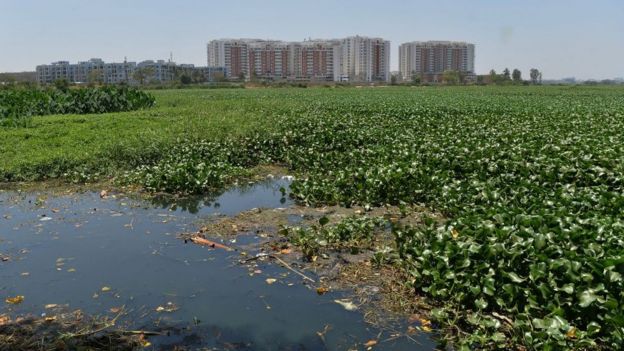 Pollution in Bangalore's lakes is rife
 3. Beijing
The World Bank classifies water scarcity as when people in a determined location receive less than 1,000 cubic metres of fresh water per person a year.
In 2014, each of the more than 20 million inhabitants of Beijing had only 145 cubic metres.
China is home to almost 20% of the world's population but has only 7% of the world's fresh water.
A Columbia University study estimates that the country's reserves declined 13% between 2000 and 2009.
And there's also a pollution problem. Official figures from 2015 showed that 40% of Beijing's surface water was polluted to the point of not being useful even for agriculture or industrial use.
The Chinese authorities have tried to address the problem by creating massive water diversion projects. They have also introduced educational programmes, as well as price hikes for heavy business users.
4. Cairo
Once crucial to the establishment of one of the world's greatest civilisations, the River Nile is struggling in modern times.
It is the source of 97% of Egypt's water but also the destination of increasing amounts of untreated agricultural, and residential waste.
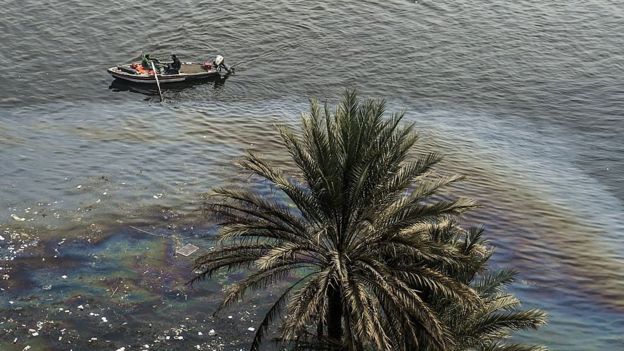 The Nile provides 97% of Egypt's water supply
Copyright © 2017-2099
Chengdu Sino Beverage Machinery Co., Ltd. All Rights Reserved
Web visiting with 1024*768 resolution is strongly recommended
Site links: Sinobema China Ministry of Commerce CCPIT 施诺机械设备有限公司(中国)